
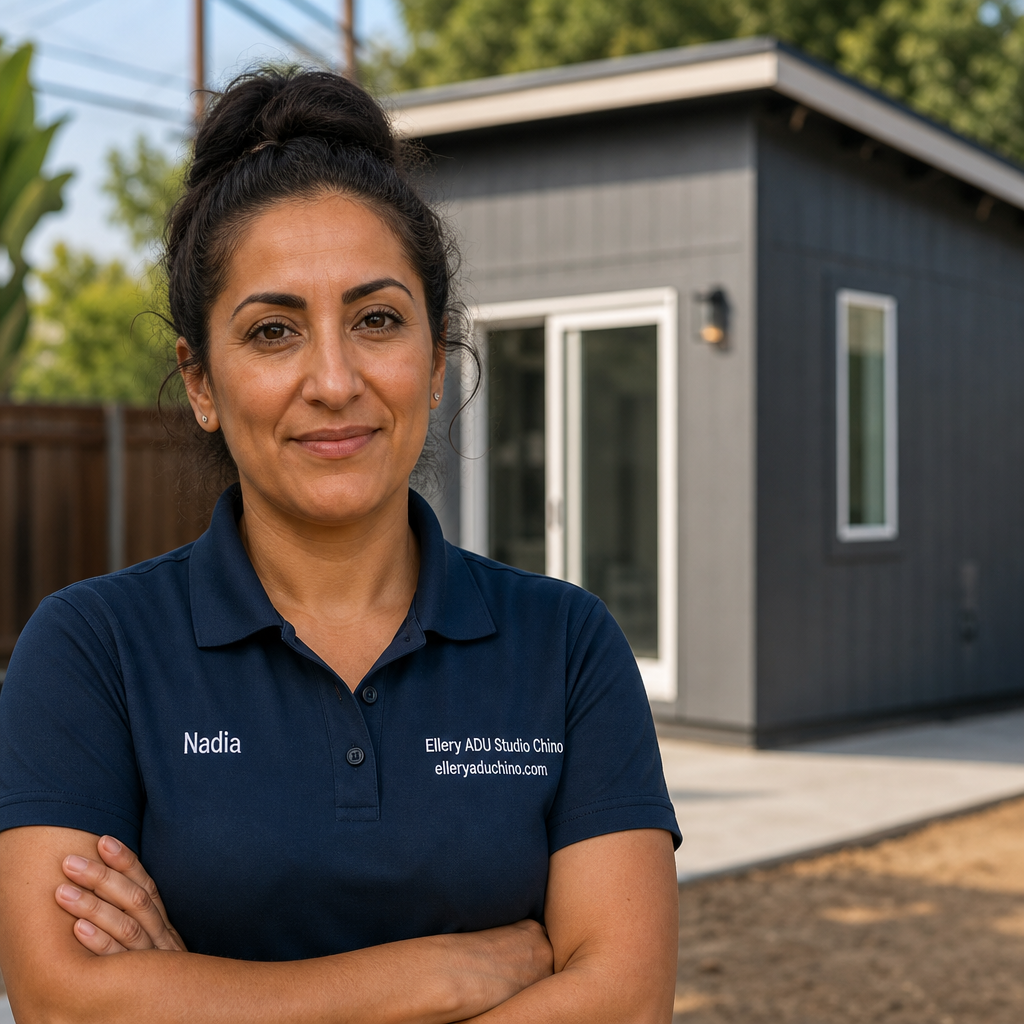
How Ellery ADU Studio Chino Was Born in Chino
We remember the exact afternoon. It was late 2015, and we were sitting in the parking lot of a Chino Hills In-N-Out, still wearing dusty boots from a site visit in Ontario. A homeowner had just called us, voice tight with the particular panic that comes from realizing you’ve paid a deposit to someone who can’t deliver the permit set. The architect had drawn something beautiful. The builder had quoted something plausible. Neither had checked whether the city of Chino would approve a 750-square-foot unit on that lot. The homeowner was six months and $14,000 into a project that existed only on paper.
That wasn’t unusual then. California’s ADU law had just changed, and the gold rush was on. Everyone with a truck and a CAD subscription was an “ADU specialist.” We watched good people in Chino, in Eastvale, in Pomona, sign contracts for flat prices that ballooned when the soil came back expansive, or when the fire department wanted a second egress, or when the neighbor’s survey revealed a six-inch encroachment nobody had checked. The designer blamed the builder. The builder blamed the designer. The homeowner paid for both.
We called the parent brand that evening. Ellery ADU Studio had opened in 2015 for exactly this reason, the year the law changed and the permitting queue became the actual product. We wanted to bring that model here, to the Inland Empire, where the need was obvious and the protection was thin. We promised to do what we still promise: one contract, one price, one throat to choke. The drawings, the permit set, and the build, inseparable. Chino deserved that.
Nadia Ellery’s Personal Connection to the ADU Trade
I got into this work sideways, which is how most honest tradespeople seem to find their craft.
Before ADUs, I spent years in residential architecture, sitting in a clean office, specifying materials I’d never installed, drawing details I’d never watched a crew execute. The distance started to bother me. I’d specify a T1-11 siding detail for a humid climate, then visit the site months later and find the carpenter had improvised something smarter because my drawing didn’t account for the actual drainage pattern. I was designing in abstraction. The crews were solving in reality. I wanted to be where the solving happened.
The turning point was a 320-square-foot garage conversion in Diamond Bar, winter of 2014. The architect had drawn a cathedral ceiling with exposed joists. Beautiful on paper. Impossible in practice, because the existing garage had a low ridge and a structural beam that couldn’t move. I spent three January mornings in that freezing garage, measuring, sketching, talking with the framer, the electrician, the inspector. My hands went numb holding the tape measure. The air smelled of concrete dust and old motor oil. The framer showed me how he’d run the new conduit through the existing shear panel without compromising it, something the drawings had never addressed.
I went home those nights exhausted and completely alive. This is what I’d been missing. The negotiation between what should happen and what can happen, resolved in real space with real materials by people who know what they’re doing.
When California’s ADU law changed in 2015, I saw the opportunity. These projects are the perfect collision of design ambition and construction reality. Every ADU is a small house with all the complexity of a large one, crammed onto an existing lot with existing constraints. The soil, the setbacks, the utility capacity, the neighbor’s ancient oak tree. You can’t fake your way through with a pretty rendering. You have to know how to build it, or you’re selling fiction.
I’ve been doing this for over ten years now. Not “in the industry” - doing this. Walking lots, reading soils reports, sitting in planning departments, standing in foundations at 7 AM watching the concrete cure. If I weren’t doing this, I’d probably be restoring old boats or rebuilding vintage motorcycles. Something with pieces that have to fit together properly, where you can’t talk your way past a mistake.
What gets me out of bed is the homeowner who walks into their finished ADU and realizes it’s better than they let themselves hope. The mother who’ll have her own door and her own kitchen. The adult kid who can afford to stay in Chino. The rental income that makes the mortgage possible. That’s not marketing. That’s what I saw in that Diamond Bar garage, and what I’ve chased ever since.
Meet Nadia Ellery - The Person Behind Every Job
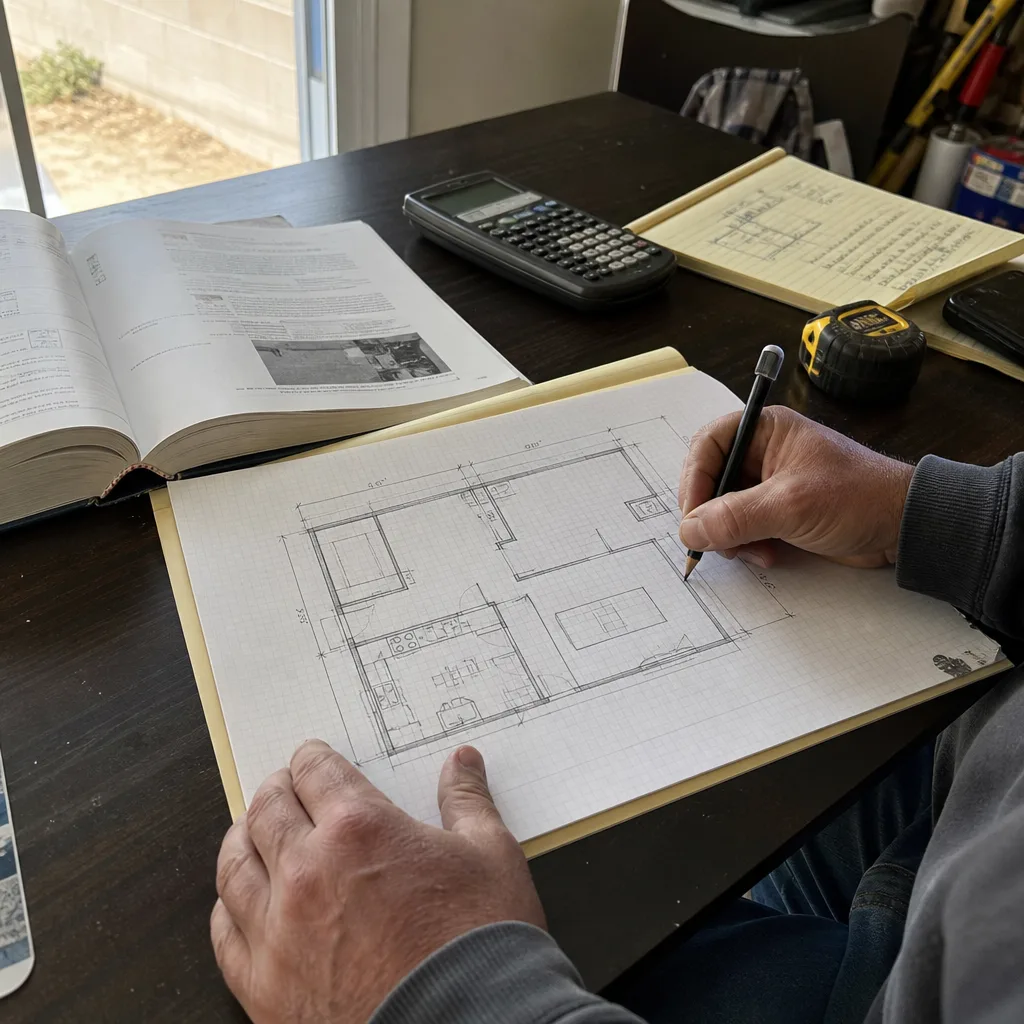
I’m Nadia Ellery, Owner and Founder of Ellery ADU Studio Chino. I’ve spent over ten years in the design-build side of residential construction, with focused training in California’s ADU code evolution, structural retrofitting, and the specific entitlement processes that govern our work in San Bernardino and Riverside counties.
What makes me different from a corporate franchise technician? I’m the one who answers when something goes sideways. Not a regional manager. Not a customer service line. My cell number is in the project folder, and homeowners in Chino, Eastvale, Ontario, and Corona have used it at 6 PM on a Saturday when they noticed a drywall seam they didn’t like, or when the inspector flagged something unexpected. I show up. I look at it. We fix it.
Outside of work, I restore mid-century furniture, badly and slowly, which teaches me patience and humility every weekend. That same patience applies to your project. I will not rush a foundation detail because we’re behind schedule. I will not sign off on a permit set I haven’t reviewed myself.
My commitment to you is direct: every ADU we build in Chino carries my name, my license, and my personal attention. If it’s not right, it’s not done.
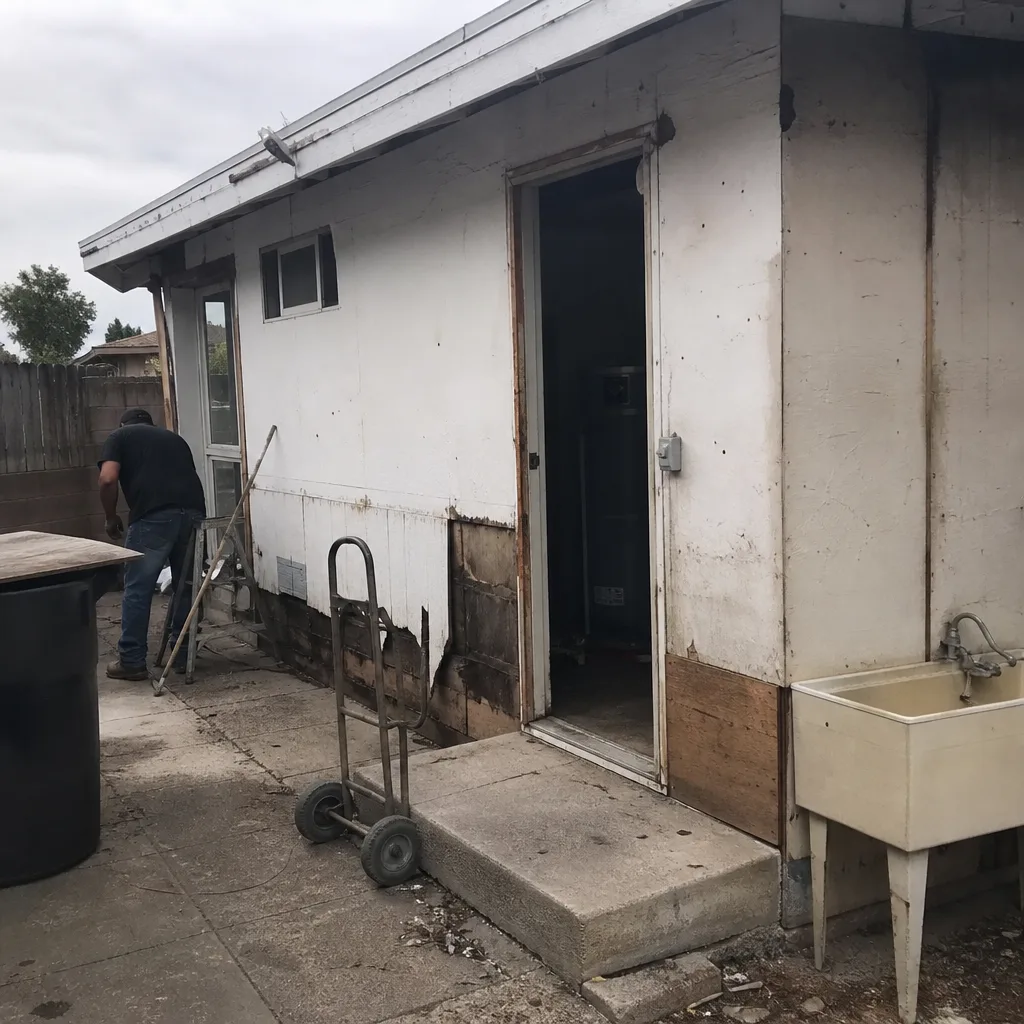 Before
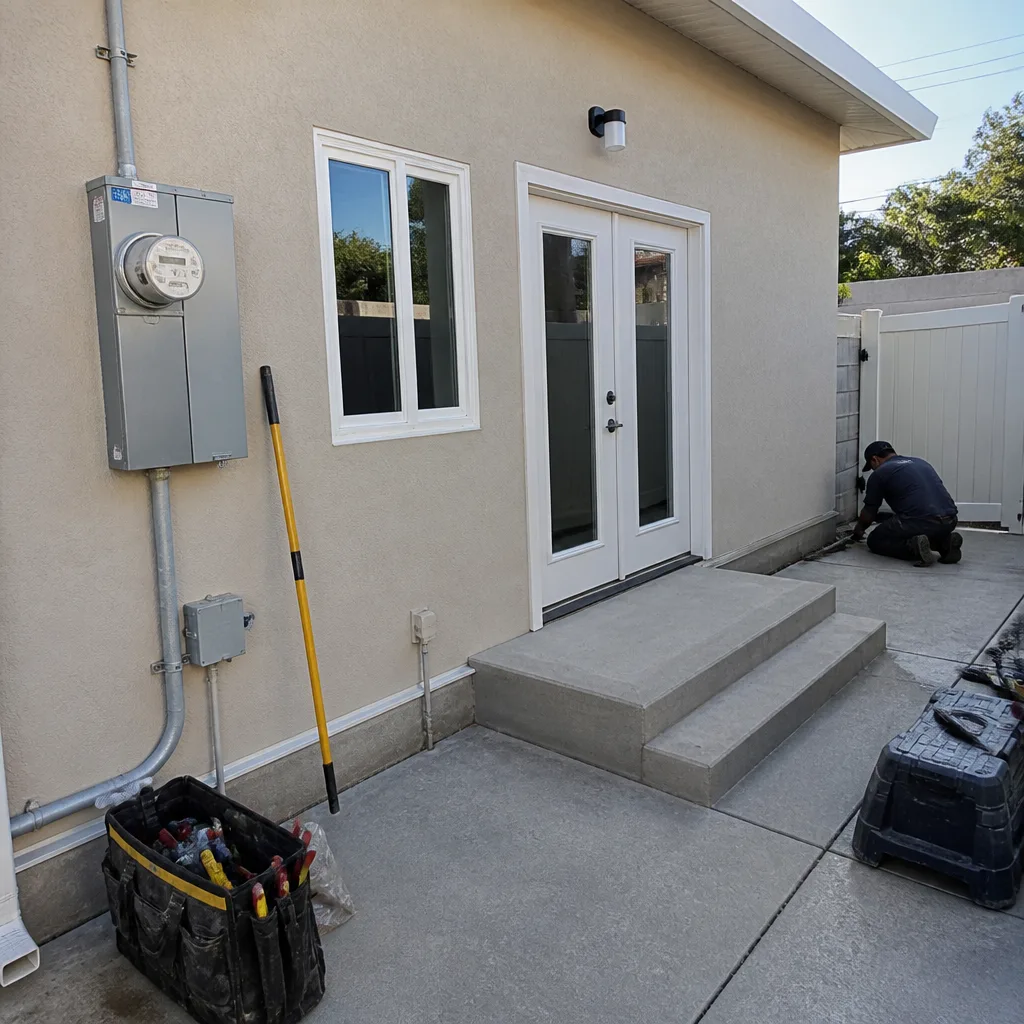 After
AfterOur Promise to Chino Homeowners
We operate under the Haven Standard, and we mean it literally. The five values are stamped on every contract, and we cite them when they matter.
H - Have it in writing. Every project starts with a flat price, a written scope, and a written warranty. Clause 1. No exceptions. We learned this the hard way early on, when a verbal “yeah, we’ll handle the electrical” turned into a $3,200 change order dispute. Never again.
A - Arrive on schedule. A real window, not “sometime Tuesday.” A named technician. A text when we’re on the way. We’ve heard too many stories about crews that materialize at 4 PM or not at all.
V - Verified crews. Everyone working under our name in Chino is required to hold the license and insurance their state requires. License numbers on the page, available on request.
E - Evidence on every job. Photos and readings of what we actually found. The moisture meter reading before we close the wall. The foundation depth photo. The permit approval stamp. You get the file.
N - No surprises. No door upsell. No “while we’re in here.” The price we write is the price you pay, unless you change the scope in writing.
Our Credentials
Every pro working under our name is required to hold the license and insurance their state requires.
- State-licensed - compliant with California contractor licensing requirements for ADU design-build work
- Insured & bonded - general liability and workers compensation coverage in place for every project
- Years of local experience - serving Chino, Chino Hills, Eastvale, Ontario, Montclair, Pomona, Diamond Bar, Corona, Upland, Anaheim, Rancho Cucamonga, and Fontana with ADU-specific expertise
- Strong local reputation - built project by project, review by review, in the communities where we live and work
Why this matters to you: an ADU is a year-long relationship and a six-figure decision. You’re letting people into your property, trusting them with your home’s value, your family’s space, your financial plan. State licensing means we’ve met California’s competency standards. Insurance means you’re protected if something goes wrong. Local experience means we know Chino’s planning staff, we know which soils reports the city accepts, we know the difference between a project that sails through and one that gets stuck in corrections. And reputation means we have to keep earning your trust, because we live here too.
Rooted in Chino
We’re based in Chino because this is where we live. We buy our morning coffee at the same places you do. We’ve sat in the permit line at Chino City Hall, walked the lots in College Park and Butterfield Ranch, and adjusted designs for the specific setback requirements that apply north of the 60 versus south of it. We know the Santa Ana winds that blow through in fall and the summer heat that makes foundation pours a scheduling puzzle. We don’t pretend to be from everywhere. We’re from here, building here, accountable here.
Written by Nadia Ellery, Owner at Ellery ADU Studio Chino, serving Chino and the Inland Empire since 2015.